Managing Pain with Novel Drug Delivery
Aptar Pharma (www.aptar.com/pharma) will be exhibiting at the upcoming Pharmapack Europe (www.pharmapack.fr), to be held February 15–16 at Paris's Grande Halle de la Villette. Ahead of the show, PMP News posed questions to Pierre Carlotti, VP, marketing & communication, Aptar Pharma Prescription Division.
Q. How can drug delivery and packaging play a role in pain management?
Carlotti: Pain management is a vast therapeutic domain. Aptar Pharma has a great deal of experience in supplying the pharmaceutical industry worldwide with nasal spray devices such as unit-dose and multidose systems used for the treatment of migraine crisis (e.g., triptan-containing drugs). More recently, Aptar Pharma's focus has been geared toward other acute pain therapies—as opposed to chronic pain—and in particular toward what is known as "moderate to severe pains," such as breakthrough pains and post-operative pains.
STORY CONTINUES BELOW
Acute pain episodes are often associated with diseases such as cancer and multiple sclerosis, whereas post-operative pain includes a variety of post-surgery situations ranging from minor dental surgery to triple-bypass heart operations.
According to WHO guidelines, drug therapy should start with nonnarcotic analgesics and NSAIDs, then move to mild opioids, followed by stronger opioids. Moderate to severe pains are typically managed by strong opioids such as morphine and morphine derivatives (e.g., oxycodone, hydrocodone, fentanyl, and oxymorphone). These are controlled substances, presenting diversion and abuse risks, so they require safety precautions as well as specific drug delivery devices.
Injectable dosage forms make up a large proportion of the current pain management drug products. There is a huge unmet need for alternative forms that are more gentle, but still efficient and safe, such as sprays. These can provide fast onset of action (ideally "in minutes," as fast as subcutaneous injection) without the issues associated with the syringe and the needle (discomfort and pain, needle phobia, need for caregiver support, lack of autonomy, and associated healthcare costs and risks of contamination).
The drug market for "moderate to severe pain" treatments is considerable, with a market size of more than $4b, which is projected to exceed $6b by 2019 (DataMonitor, 2010). Cancer pains are experienced by some 3.2 million patients across the seven major markets, and this number is growing. The prevalence of post-operative pain is much higher. All healthcare systems have strategies to increase patient autonomy (more outpatients) while minimizing healthcare expenditure. Novel drug delivery systems can be part of these strategies if they help increase safety and enhance patient adherence while minimizing costs.

Q. What are some specific solutions? How are these different from past solutions?
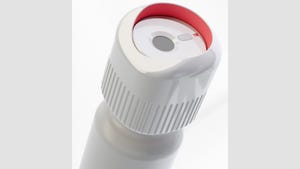
Carlotti: Fentanyl—a molecule that is 100 times more potent than Morphine—is an interesting case study that demonstrates the benefits of a nasal or a sub-lingual spray alternative compared to a traditional injectable drug format. Not only is a spray much more convenient to use than a syringe and a needle, but it also allows self-administration once training has been properly provided with the help of a healthcare professional. It also provides a safe alternative, reducing the dose and the risks of needle-stick injuries related to manipulation of sharps. And with electronically assisted spray devices, we can incorporate additional safety, feedback, and compliance aids, such as counting and locking systems to improve management of dose regimen and to avoid misdose and diversion.
Q. Why should drug manufacturers employ these solutions?
Carlotti: Pharmaceutical companies are interested in these novel drug delivery spray devices for opioids because they offer excellent alternatives to patients. These include noninvasiveness, fast onset of action, and reduced dose with less adverse events and better control (disposable unit-dose or electronically controlled multidose systems). In addition, self-administration is possible at home, replacing medically supervised administration at the hospital or clinic, which further enhances patient stress. Innovative drug-delivery devices should move from just distributing the drug to contributing to the success of the therapy.
Back to Home |