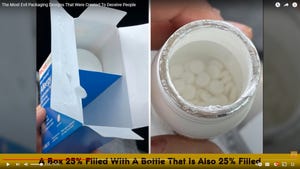
Human behavior has been all but ignored as the root cause for the failure of healthcare adherence, argues John Bitner, a design engineer who has studied human interaction with packaging for decades. “People are adverse to change,” he says. “Even when faced with a very bad disease, and they know a lifestyle change is essential to survival, for whatever reason, they cannot.”
FDA has approved SPRIX (ketorolac tromethamine), an intranasal formulation of the analgesic drug ketorolac, as an alternative to opioids. While the nonsteroidal anti-inflammatory ketorolac has typically been given in hospitals as an injection for short-term pain, SPRIX has been approved as a nasal spray for outpatient use. The new drug uses a nasal spray pump from Aptar Pharma.
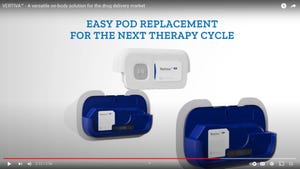
Combination products and copackaged medical products are evolving. Growth in drug self-administration is being fueled by changing patient populations, efforts by managed-care providers to control healthcare costs, and a focus on safety and compliance. According to Code of Federal Regulations Title 21, a combination product comprises any combination of a drug and a device; a biological product and a device; a drug and a biological product; or a drug, device, and a biological product.
Advanced parenteral delivery solutions are affording product differentiation and therapeutic benefits across a range of therapies.
In needle-based injection, cartridge-based pens and prefilled syringes loaded into disposable auto injector devices offer features that support easier self administration by patients.
FDA is reviewing data from a long-term study concerning possible cardiovascular risks with the drug Avandia, following a recent report from the U.S. Senate Finance Committee that showed a link between the type 2 diabetes drug and thousands of heart attacks. Avandia is manufactured by GlaxoSmithKline, which is also undergoing scrutiny related to the safety of its asthma drug Advair.
BD Diagnostics’ (Franklin Lakes, NJ) newly launched Microtube for Automated Process (MAP) improves safety, accuracy, and turnaround time of capillary blood collection and testing in patients with fragile veins. The BD Microtainer MAP tube is the first microtube to be fully compatible with most automated hematology instruments, reducing turnaround time and costs associated with sample transfer and relabeling.
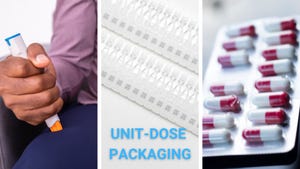
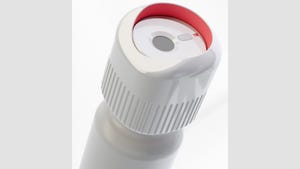
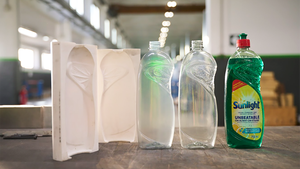
Innovative bottles and closures, based on proprietary designs and technologies, add value to pharmaceutical brands. New design trends are on the rise, such as senior-friendly packaging and smart packaging, while environmentally friendly initiatives keep products lightweight and contaminant free. Although crucial packaging decisions continue to be based heavily on the safety needs of patients and patient compliance, conservative regulatory and economic environments have presented some hurdles in the adoption and application of high-end trends.
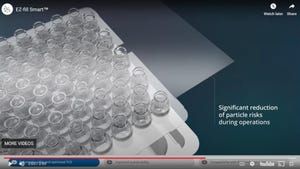
We’ve all heard reports about the growing popularity of prefilled syringes. The single-use parenteral package not only offers convenience, but also the potential to reduce dosing errors.


The Institute of Safe Medication Practices will hold a teleconference on insulin safety. "Preventing Errors from Insulin: A Multidisciplinary Approach" will explore the current trends in insulin therapy, barriers to optimal therapy and safety, and common errors that occur with insulin. Part Four of ISMP’s high-alert medication series, the program targets healthcare practitioners, but discussons on the sources of errors should interest professionals charged with designing insulin packaging and labeling. The event is scheduled for October 15 from 1:30 to 3:00 ET.